Need emergency tree removal services in Acworth?
Tell us about your tree, your house and your timing. We will pass your request to a local provider in our network so you can compare options.
No obligation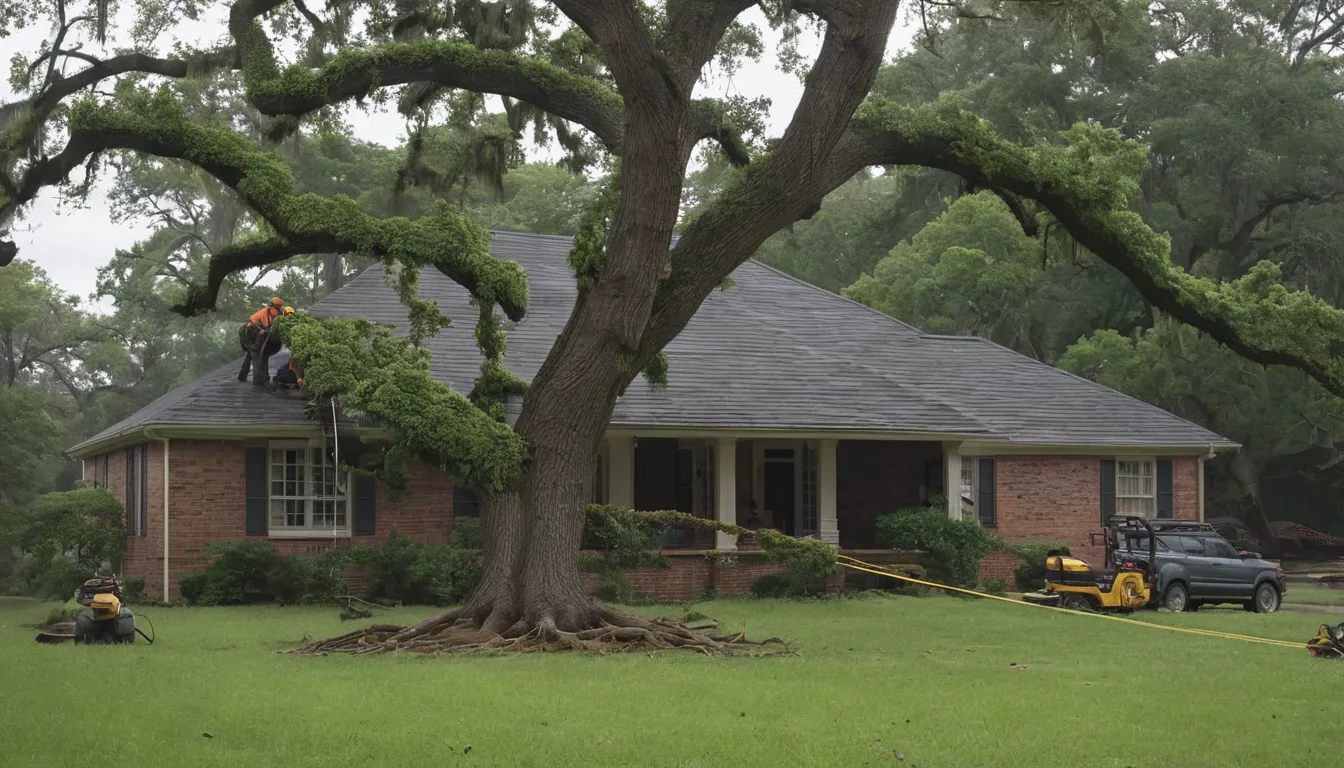
Say you step outside after a thunderstorm and a big limb is across the driveway. Or a whole trunk has landed on the porch roof. Your heart is racing. That is normal. The first job is to stay safe, then get the right help.
Innerpsychological Tree Service is a referral service. We do not cut or haul trees. We connect homeowners in the Acworth area with independent providers who handle emergency tree removal, fallen tree clearing and storm tree clearance. This page explains what counts as urgent, what to do first, and what to ask the provider. Older homes need extra care, so we cover that too.
Picture a house after a loud night of storms. You wake up, look out the window, and see a tree where no tree should be. Stop. Do not rush outside.
Take these steps in order:
This is the first hour, calm steps part. Safety comes before cleanup.
A fallen tree is full of stored tension. A trunk resting on a fence or roof can roll or snap when you cut it. A saw in a rush is how small problems become big ones.
Let a trained provider read the tree first. That is the whole point of a plan before the cut.
Not every tree issue is an emergency. These usually are:
These can usually wait a few days:
When unsure, ask. A provider can often tell from a few photos and a short description.
Say your house was built decades ago. The roof has been patched. The plumbing has been repaired more than once. Siding hides old wood. A heavy trunk landing there can do more harm than the same hit on a new build.
That is why the plan matters. Old house, careful drop. A good provider looks at:
Tell the provider the age of the house and any past repairs you know about. It helps them choose rigging, ropes and crane or lift options.
Here is the usual flow once you reach a provider:
Share where the tree is, what it touches, and whether power lines are involved. Photos help a lot.
They look for tension, loose limbs and weak spots. They may make the area safe before they remove anything.
On a roof, limbs are often lowered with ropes. In open yards, sections may be cut and moved. This is the tree falling service most people picture, only done slowly and on purpose.
Ask if hauling is included in the quote or priced as a separate line.
If the roof is open, many providers can help place a tarp or tell you who can. Ask about it up front. Keeping rain out protects the ceiling, insulation and old plaster underneath.
Some policies may cover sudden damage from a fallen tree. Check your policy and call your insurer when it is safe to do so. Providers can often help document damage for a claim, such as photos of the tree and the area it hit.
Keep these items together:
Coverage depends on your policy, so ask your insurer what applies.
When a storm hits a whole neighborhood, many homeowners call at once. Hot humid summers bring thunderstorms. Ice storms and remnants of tropical systems can follow. Storm tree clearance can get busy.
Expect these things:
Being patient and clear on the phone helps. Say what is touching what, and whether anyone is at risk.
Many emergencies start as small warning signs. Walk your yard in calm weather and look for:
A provider can inspect a tree before the next storm. Removing a weak tree on your schedule is calmer than doing it at midnight in the rain.
After the trunk is gone, a stump often remains. It is a separate job, so ask whether grinding is offered and how it is priced. You can plan it after the emergency passes.
Keep this short list near the phone:
Get the answers in writing when you can. A clear quote prevents surprises.
Say the tree is down and you are not sure what to do. Breathe, move to a safe spot, and reach out. Use the request form, or Request a callback to check provider availability. A local provider in the Acworth area can take it from there.
Trees or limbs that landed on a house, fence, car or driveway get cut and moved safely.
Providers clear trunks and branches after wind, ice and thunderstorms so you can use your yard again.
Cracked, leaning or hanging trees are taken down in sections before they cause more damage.
Many providers haul away logs and brush. Confirm this in your written quote.
Prices vary by tree size, access and risk. These are typical U.S. ranges only. Always ask the provider for a written quote before work begins.
| Job | Typical range | Notes |
|---|---|---|
| Small limb removal | $150 – $500 | Easy access, nothing damaged |
| Medium tree removal | $500 – $1,500 | Moderate size, clear yard |
| Large tree removal | $1,500 – $3,500 | Tall trees often need more gear |
| Tree on roof or house | $1,500 – $5,000+ | Rigging and extra care add cost |
| Crane or lift help | $500 – $2,000 | Used when the tree is hard to reach |
| Debris hauling | $100 – $600 | Some quotes include it, some do not |
Move everyone away from the tree, the roof and any wires. Report gas or downed lines to the right authority.
From a safe spot, snap pictures of the tree and damage.
Request a callback or use the form to describe the scene and ask about availability.
Check scope, cleanup and price before the work starts.
We explain what to do first so your first phone call feels clear and calm.
You connect with independent providers who know storms in your area.
We point out what to mention about aging roofs, pipes and past repairs.
Request an estimate, compare answers and decide what feels right for you.
Tell us about your tree, your house and your timing. We will pass your request to a local provider in our network so you can compare options.
No obligationGet everyone out of the area and stay away from wires. If anyone is hurt or you smell gas, contact emergency services first. Then take photos from a safe place and reach out to a provider.
Some policies may cover sudden damage from a fallen tree, but coverage depends on your plan and the cause. Check your policy and talk to your insurer. Providers can often help document the damage for a claim.
A tree that suddenly leans, lifts roots from the soil, or sits near your home or wires after a storm is a concern. Keep clear of it and ask a provider to take a look soon.
Tell us about your tree, your house and your timing. We will pass your request to a local provider in our network so you can compare options.
No obligation